We are based in Lake Mary and work about a 30 mile radius from it. Find your city below, and the person you deal with is the one who shows up.
4Counties
25City pages
30Mile radius
Ready 2 Inspect provides mold, water, and fire restoration across Seminole, Orange, Volusia and Lake counties in Central Florida, working roughly a 30 mile radius from its base in Lake Mary. The owner, a Florida licensed mold assessor and remediator, runs and attends the job in every one of those areas.
DeLand
Deltona
Mount Dora
Sanford
Heathrow
Lake Mary
Longwood
Winter Springs
Casselberry
Apopka
Oviedo
Altamonte Springs
Winter Park
Orlando
Lake Mary base
Cities we cover
Interstates and expressways
Rings at 10, 20 and 30 miles
Boundaries US Census · roads & water OpenStreetMap contributors
Pick your city. Central Florida is not one building stock, and the era a neighborhood was built in changes where water gets in and where mold turns up.
Lake Mary
Home base
Lake Mary is where we are based. The City's history says the town was named after the wife of a minister who settled on the lake's north shore. Big Lake Mary and Lake Emma lie inside the city today, and East Crystal Lake sits partly inside the city line. The City says Soldiers Creek crosses Lake Mary and is periodically subject to flooding, though the land around it is protected as open space. Two of its tributaries flow through the south-central part of town, between Longwood-Lake Mary Road and South Country Club Road, and parts of that stretch are in the flood zone, with many wetlands alongside.
Sanford sits on the south shore of Lake Monroe, and the lake is connected to the St. Johns River, so after a big storm it stays high for as long as the river does. Away from the lake the water behaves differently. The county's floodplain plan says the vast majority of the city's other lakes are closed basins with no outlet, which rise faster than they drain. The oldest homes, just south of downtown, add a third path: most are wood frame, raised on brick or block piers, and water that gets under the floor can feed mold where nobody sees it.
Housing stock
Median home built 1994; about 1 in 18 before 1940
Construction
Wood frame on brick piers downtown, block elsewhere
Moisture exposure
Lake Monroe flooding, closed-basin lakes, crawl spaces
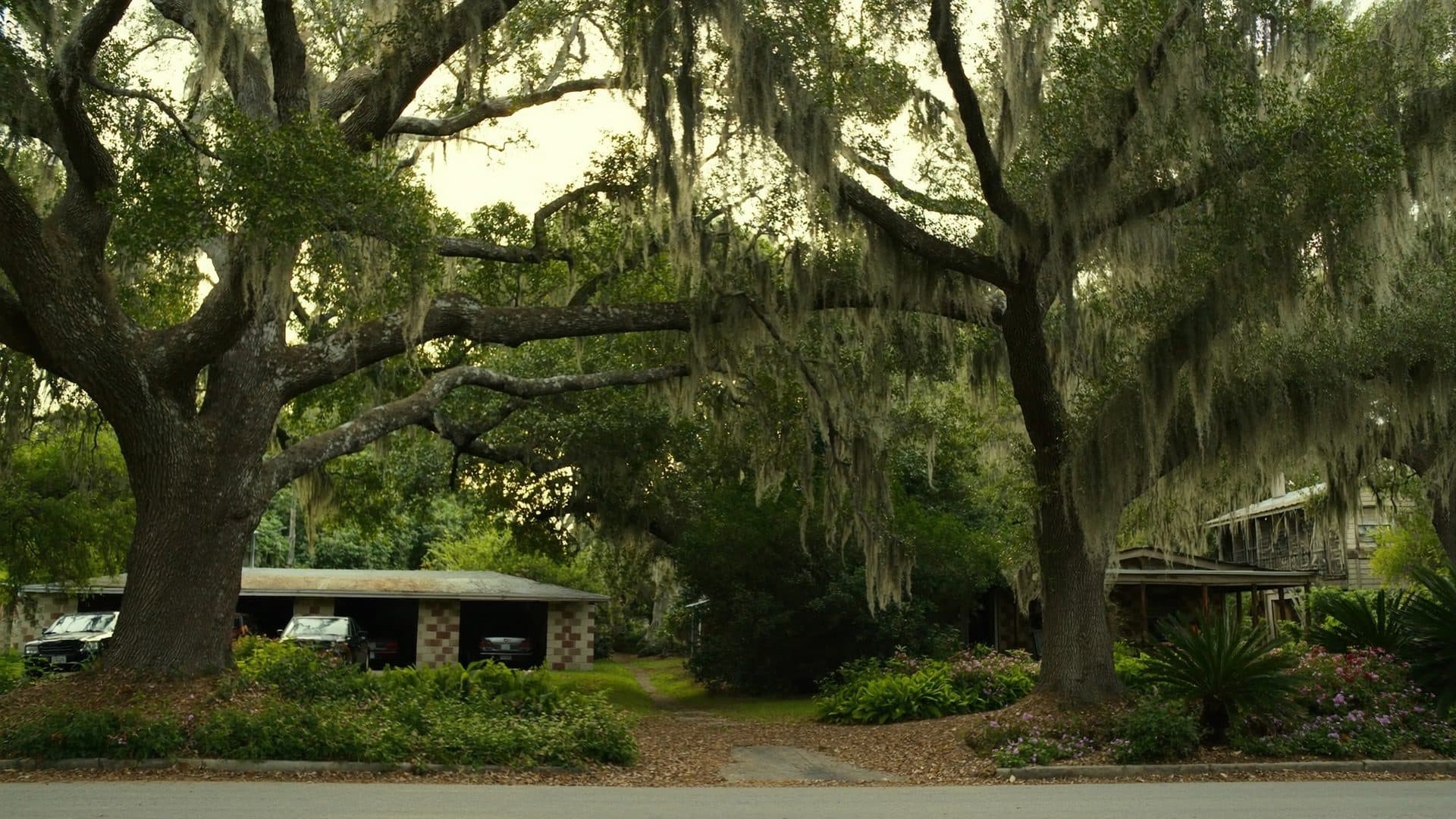
Longwood is older than most of its houses. Homesteaders were settling here by 1873 and the railroad came through in 1880, but the City's own history says Longwood developed into a mostly residential community during Central Florida's growth in the 1970s and 1980s, and the Census agrees: more than half of today's homes date from those two decades. The established neighborhoods sit under a heavy live-oak canopy on mature lots. The shade is part of the appeal, and it also keeps roofs and north-facing walls wet for longer after rain. That slow drying is one reason these homes see exterior mold and roof leaks.
Housing stock
1970s and 1980s ranch homes; median built 1983
Construction
Painted block and brick veneer, shingle roofs
Moisture exposure
Oak canopy shade, older roofs, small private lakes
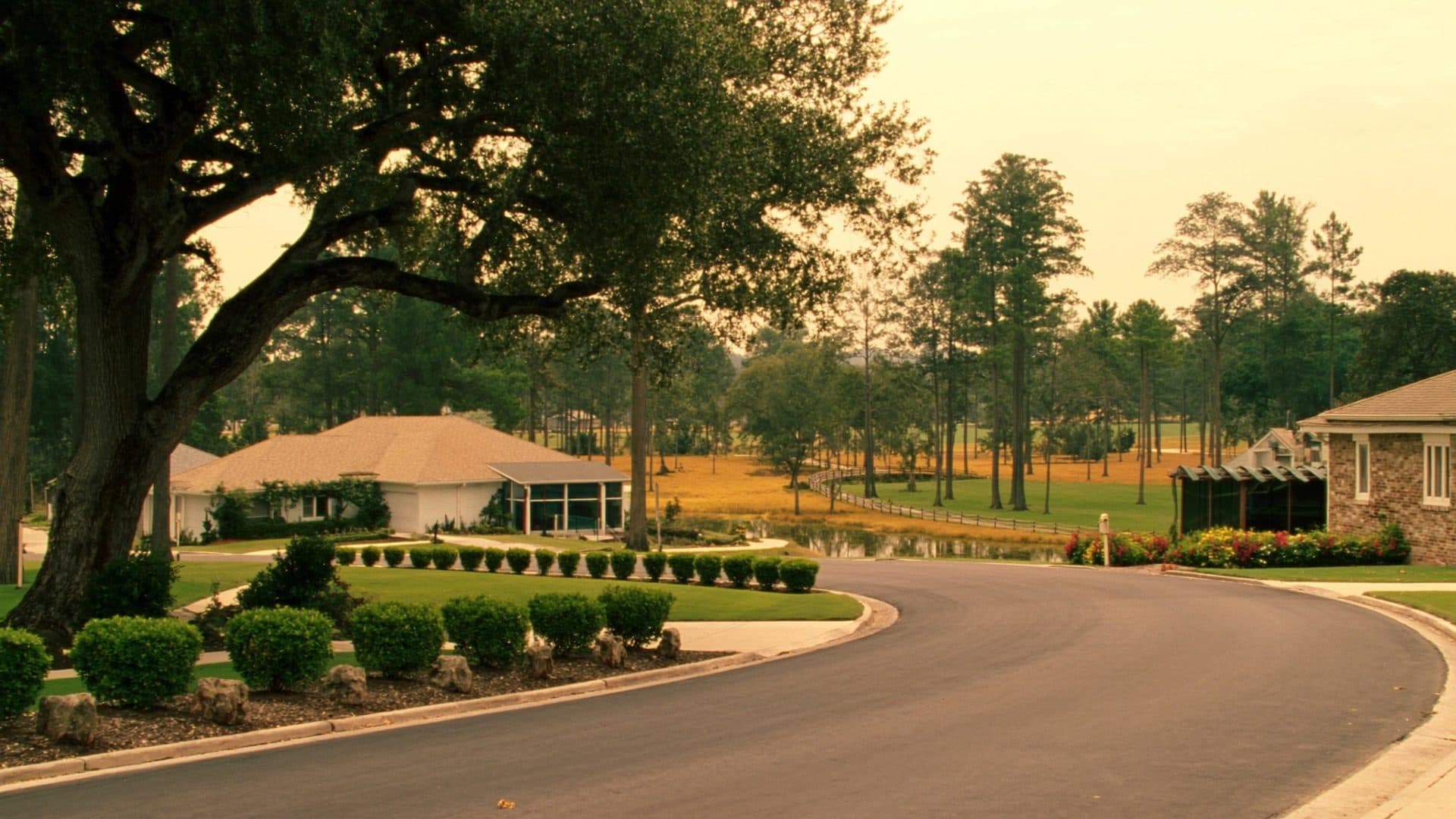
Much of Winter Springs is planned 1980s communities like Tuscawilla, where homes back onto cypress wetlands and golf-course retention. Living next to that much standing water raises the humidity load, and screened pool enclosures and lanais are common spots where moisture problems begin.
Oviedo began as a celery and citrus settlement on the shores of Lake Jesup, and the farms have since given way to subdivisions. The City's comprehensive plan says runoff here ends up in the Econlockhatchee River, the Little Econlockhatchee, Lake Jesup or Bear Creek, and each of those drains on to the St. Johns. The regulatory flood plains in the city generally follow Sweetwater Creek, Bear Creek and the two Econ rivers, and the plan puts local drainage problems mainly in the older neighborhoods on the north, west and central sides of the city.
Housing stock
3 in 4 homes built 1980 to 2009; median 1997
Construction
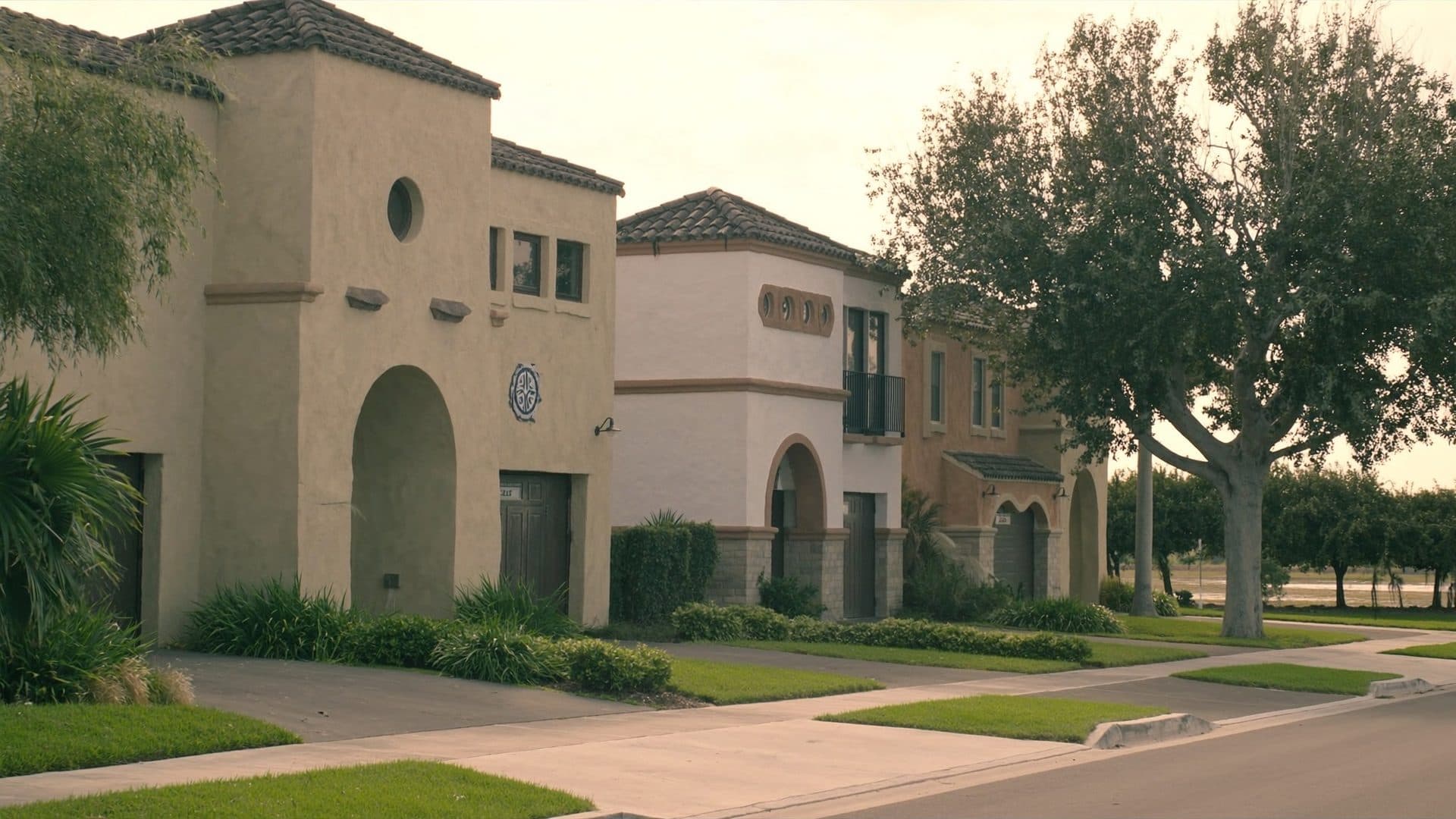
Stucco and block, barrel tile roofs
Moisture exposure
Big and Little Econ rivers, Lake Jesup to the north
In Altamonte Springs the water story has two parts: the buildings and the river. Only about one home in four here is a detached house. The rest are condos, apartments and townhomes, a lot of them from the 1970s and 1980s, and in those buildings a leak rarely stays where it started. Shared walls, stacked units and older plumbing carry water from one home into the next one or the one below. The flood risk covers less ground. The City's own plan puts most of Altamonte Springs above the 100-year flood plain and finds its flood plains mostly along the Little Wekiva River and around the lakes.
Housing stock
Median built 1983; 3 in 5 built from 1970 to 1989
Construction
About 1 in 4 homes detached; stucco, mansard roofs
Casselberry drains mostly toward Lake Jesup, and the water gets there lake by lake. The City's stormwater plan names more than a dozen lakes in and around town, the three Triplet lakes, Queens Mirror and Secret Lake among them, whose water all comes together in Lake Kathryn. Kathryn is the head of Gee Creek, which flows about 3.75 miles northeast to Lake Jesup. Not every basin has a way out. The City calls Lake Lotus landlocked, and its 2024 floodplain report says the emergency outfall pipe added there may help reduce flood risk and duration but will not eliminate it.
Housing stock
Median built 1983; just under half are detached houses
Construction
Concrete block, jalousie windows, carports
Moisture exposure
Chain of lakes, landlocked basins, older single-pane windows
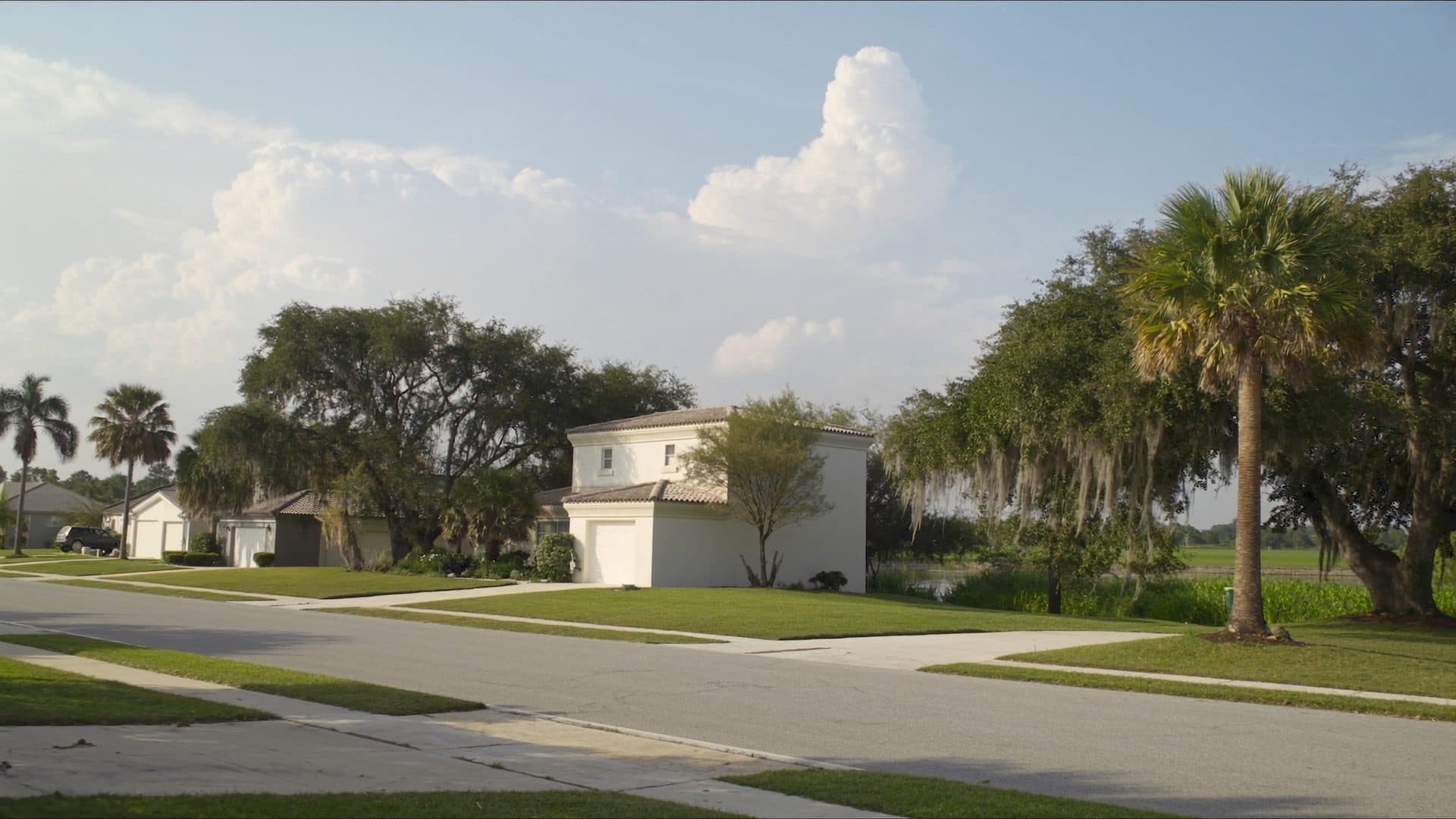
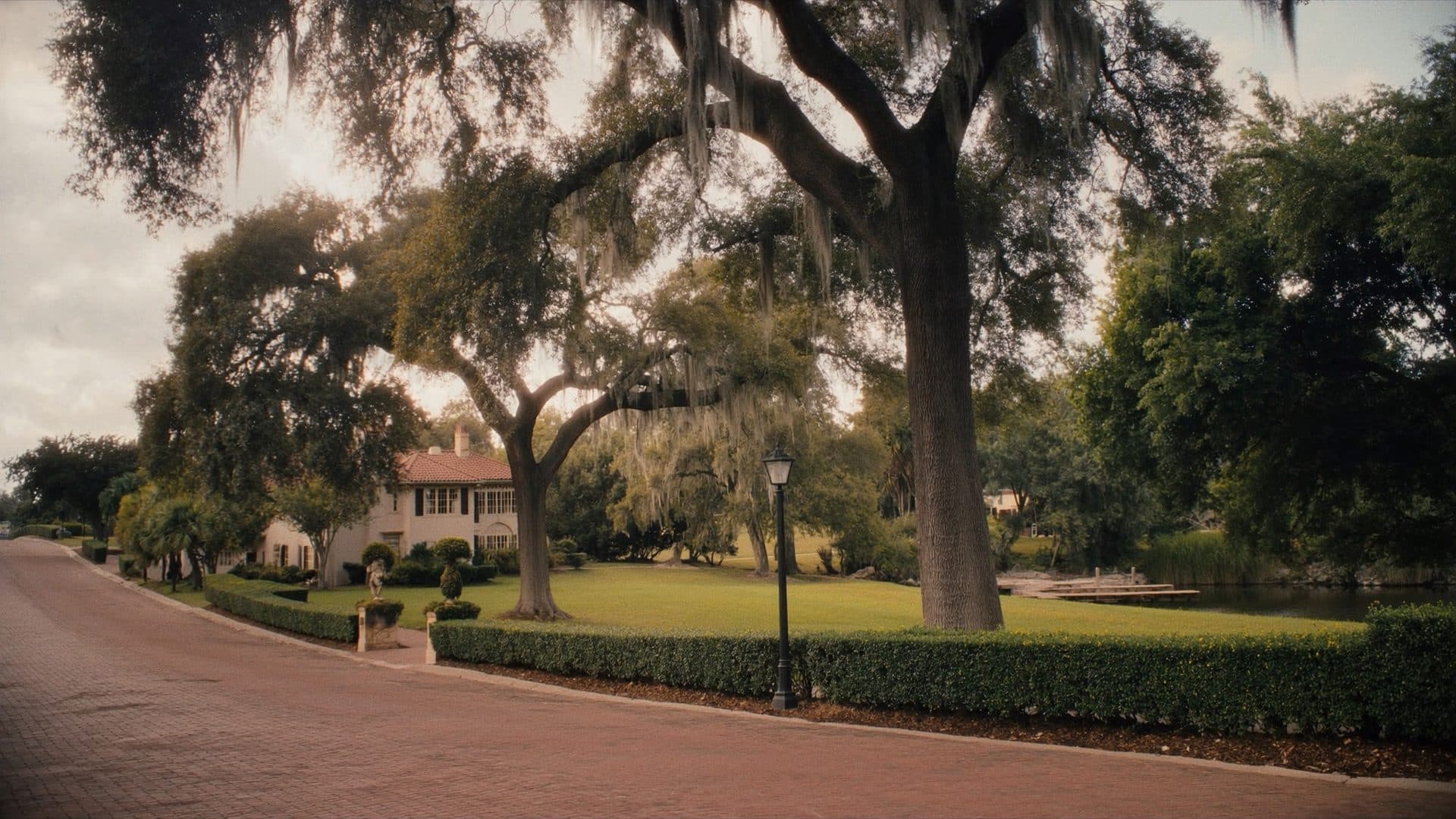
Heathrow is right next to our Lake Mary base, a gated golf community of large 1990s and 2000s Mediterranean-style stucco homes. Big footprints mean more roof, more plumbing runs, and more square footage where a slow leak can hide, so early detection matters even on newer homes.
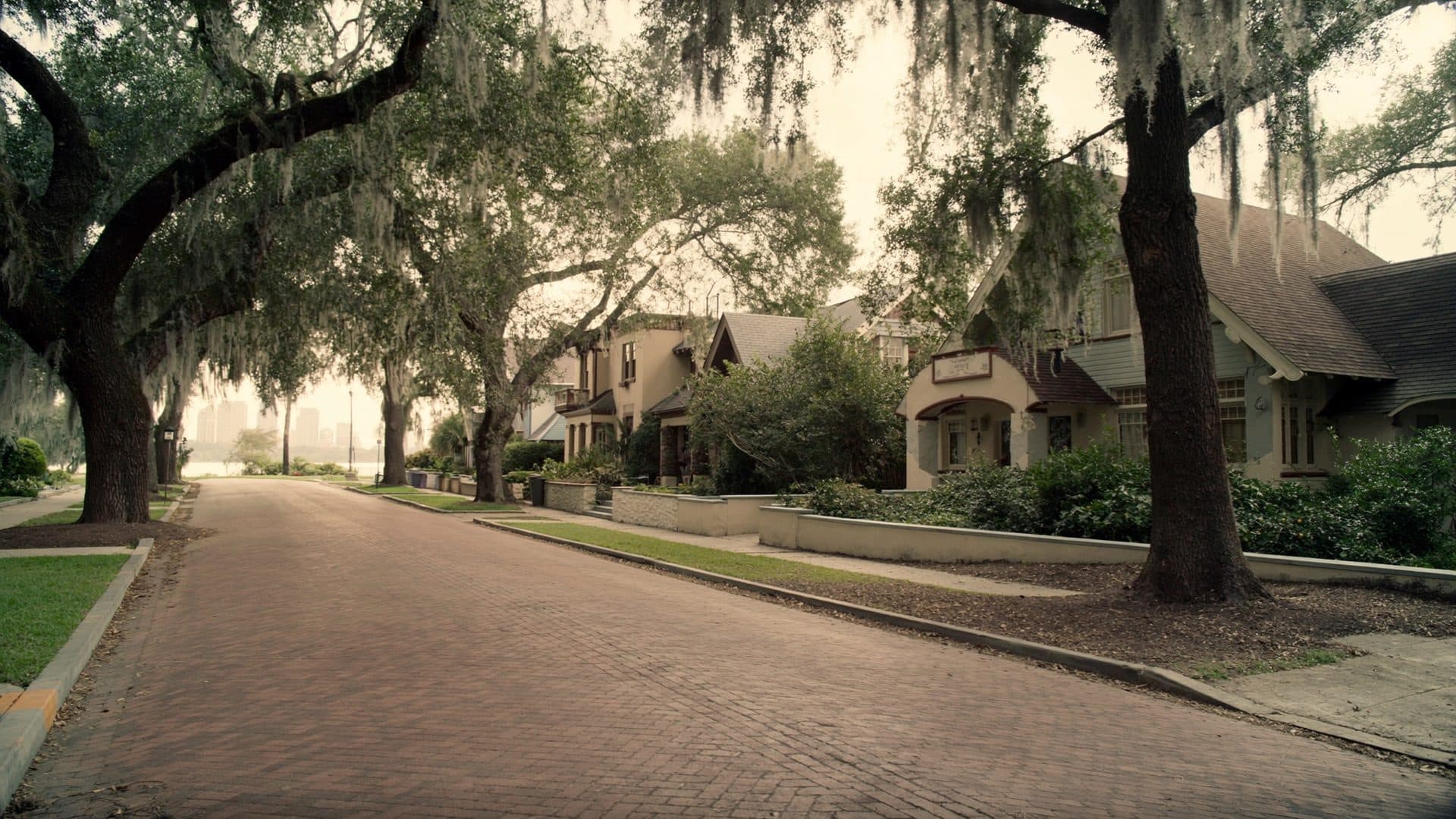
Orlando spans everything from the 1920s Craftsman bungalows of the historic districts to brand-new construction. The older homes near the downtown lakes have decades of moisture history in their walls, and the mix of building eras means no two jobs here look the same.
Winter Park is built around its lakes. Navigable canals tie Lakes Mizell, Virginia, Osceola and Maitland into the chain the city is known for. The City describes most lakes in the area as water table lakes, meaning their level rises and falls with rain, runoff and the ground water around them. FEMA places most lake shorelines in Winter Park inside the 100-year flood zone, even though, as the City's plan points out, very little of the city's land overall sits in a flood hazard area.
Housing stock
Median home built 1976; 1920s revival districts
Construction
Stucco, tile, brick; over 1 in 4 homes in 5+ unit buildings
Apopka, the indoor-foliage capital, mixes older block homes and newer subdivisions across a lot of open, semi-rural land near Lake Apopka. Properties range from tidy suburban lots to homes bordering nursery operations, and the high ambient humidity of the area is part of the picture on every job.
Deltona began in 1962 as a planned community of 35,143 lots, and it now has about 35,000 homes. The local question is where the rain goes. Roads drain to open roadside swales and ditches, and across the eastern half of the city the runoff ends up in a chain of lakes inside a basin the City calls hydrologically closed. The City also warns that closed basins can "appear to be uplands", so a lot with no lake in sight is not automatically safe from flooding, or from the mold that follows water left standing.
DeLand does not sit on the river. The St. Johns runs to the west, outside the city limits, and on the City's own flood map its flood plain stays southwest of Fatio Road. The flood zones in and around town are scattered pockets around small lakes and low ground, the largest on the east side, around and beyond Kepler Road. So when streets inside the city flood, it is rain collecting in those low spots rather than the river coming over its bank. In the historic core, much of it pier-and-beam over a crawl space, a leak can run under the floor out of sight.
Housing stock
Median home built 1996; nearly half built since 2000
Construction
Much of the historic core is pier-and-beam wood frame
Moisture exposure
Low spots and small lakes; the St. Johns outside the city
Maitland is a city of lakes. The City's code lists 21, including Lake Sybelia, Lake Minnehaha, Lake Lily and Lake Gem, and gives each a normal high water line and a 100-year flood level. Many are surrounded by development, and the City notes they take in large amounts of runoff with every storm. Lake Maitland, which the city shares with Winter Park, takes in water from two Maitland lakes, Minnehaha and Park Lake. Like most lakes in the area it is a water table lake: its level depends on rainfall, surface flow and ground water.
Housing stock
Median home built 1996; the 2010s the biggest decade
Wekiwa Springs State Park is next door, but the spring itself and the park entrance sit just over the line in Orange County. The river inside this Seminole County community is the Little Wekiva, which flows north through it to meet the Wekiva River. At the northwest end, Wekiva Island sits on the Wekiva itself. Most homes here went up in the 1970s and 1980s, so the water damage we look for comes in two kinds: river and flood water near the banks, and slow leaks from aging plumbing and air handlers everywhere else.
Housing stock
Median home built 1981; 4 in 5 from 1970 to 1989
Construction
Mostly detached houses; a quarter in multi-unit buildings
Moisture exposure
Little Wekiva River, the Wekiva River edge, springs
Chuluota is the rural end of Seminole County, out toward the Econlockhatchee. Lots are large, a lot of homes are on well and septic rather than city services, and the building stock runs from older frame houses to newer block. Homes here are more likely than the subdivisions to sit raised over a crawl space, and that is often where a long-running leak turns up.
Geneva is farm and acreage country on the way to Lake Harney and the St Johns. The older homes out here are frame, often raised on piers rather than poured on a slab, and the ones nearer the river sit on genuinely low ground. Storm water and river flooding are a real risk in a way they are not in the subdivisions west of here.
Goldenrod is a settled, unglamorous stretch of block ranch homes on the Seminole and Orange county line, most of them built in the 1960s and 1970s. Original terrazzo, original ductwork and original windows are still common, and it is usually the ductwork and the window frames rather than the roof where the moisture problem starts.
Ocoee has an older downtown core surrounded by a lot of 1990s and 2000s subdivision growth on the Lake Apopka side of Orange County. The newer stucco homes are not immune to any of this: on flat ground with heavy retention drainage, construction defects and stucco cracking let water into wall assemblies that then have nowhere to dry to.
Winter Garden is two towns in one. The historic downtown around Plant Street has early-1900s wood-frame homes, some of them raised over crawl spaces, while the growth out toward Horizon West is large modern stucco subdivisions on old grove land. The two need genuinely different approaches, and treating a 1910 frame house like a 2015 block one is how damage gets missed.
Housing stock
Historic downtown plus large new subdivisions
Construction
Early-1900s frame downtown, modern stucco elsewhere
Windermere sits on the Butler chain of lakes, and the homes are large: big roof areas, long plumbing runs, and a lot of square footage for a slow leak to hide in. On a house this size the problem is rarely that nobody noticed the water, it is that by the time anybody noticed it had been running behind a wall in a part of the house nobody uses daily.
Housing stock
Large lakefront and gated estate homes
Construction
Mediterranean stucco, tile roofs, large footprints
DeBary gets water from two directions. The St. Johns River forms the city's western and southern boundaries and meets Lake Monroe on the southeast edge, and the lowlands along it are flat and slow to drain. Inland, much of the city sits on a sandhill ridge where older neighborhoods drain into small enclosed lake basins rather than out to the river. The City's own plan names both: riverine flood plains along the St. Johns, and isolated flood plains around the lakes.
Housing stock
Median home built 1993; a quarter from the 1990s
Construction
Site-built homes, plus five manufactured home communities
Moisture exposure
St. Johns lowlands, closed lake basins, wells in older areas
Orange City has far fewer parcels in the mapped floodplain than most of its neighbors. The county's 2018 floodplain plan counted 72 Orange City parcels in the 100-year floodplain, about 1.8 percent of the total, against roughly 14 percent in DeBary and Deltona. The whole city also sits in the State's priority zone for Blue Spring, the part of the springshed where the groundwater is most closely connected to the spring. For a house that sits well outside the floodplain, the water that starts mold is usually a roof leak, a pipe or an air conditioner line, not a rising lake.
Housing stock
Median home built 1991; about 1 in 7 a mobile home
Construction
Frame and masonry in the old core; manufactured homes
Moisture exposure
Blue Spring springshed, little floodplain, septic to sewer
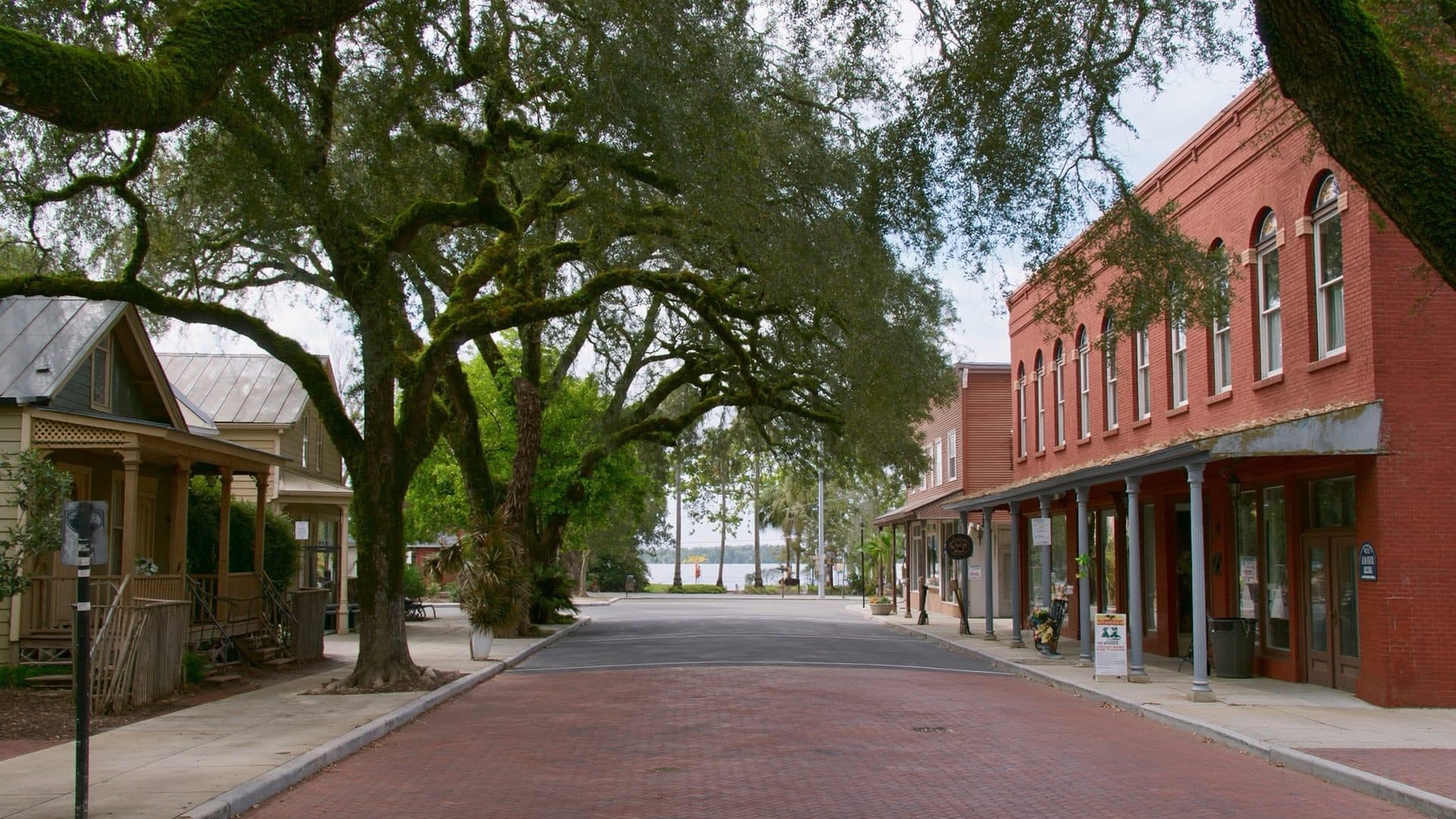
Mount Dora has a historic core that is genuinely old by Florida standards, with many early-1900s wood-frame buildings on the hills above Lake Dora, although most of the town's homes were built from the 1980s on. A lot of the older ones are raised on brick piers over a crawl space rather than poured on a slab, so water gets under the floor and works on joists and subfloor out of sight. Old growth heart pine is worth saving, and it is worth not tearing out more of it than you have to.
Housing stock
A historic core; most homes built from the 1980s on
Construction
Older wood frame, some on piers; newer block homes
Eustis is on the Harris chain of lakes, with an older core of early-1900s frame homes and a lot of post-war block and newer building further out. It is the far edge of what we cover, and the mix of foundations here is real: a raised historic home on the lake side and a 1980s slab house a mile away are two different jobs.
Central Florida is unusually good at producing this work.
None of this is about us. It is the building stock and the climate, and it is why a mold problem here is a maintenance reality rather than bad luck.
01
Slab on grade in most of it, crawl spaces in the rest
Post-war subdivisions are slab, so water under flooring has nowhere to drain and sits against the concrete wicking into baseboards and bottom plates. The older towns are a different problem: plenty of homes in DeLand, Mount Dora, Eustis, Geneva and the historic parts of Sanford and Winter Park sit on piers over a crawl space, where the damage is under the floor and out of sight until it reaches the room.
02
The humidity does not switch off
Summer dew points sit high for months. Indoor air that is not being dehumidified will happily hold enough moisture to keep growth alive on a surface that has already dried out to the touch.
03
Afternoon storms and one long hurricane season
Roof and window intrusion here is routine rather than exceptional. Most of what we open up started as a small entry point that got hit repeatedly across a season.
04
Air conditioning runs most of the year
Which makes the air handler and the ductwork a distribution system. Growth near a return does not stay near the return, and a system running that hard also sweats condensate somewhere.
05
Housing stock is mostly 1970s to early 2000s
Old enough that original HVAC, supply lines and window seals are at or past end of life, new enough that nobody expects a failure yet. That gap is where a lot of these jobs start.
06
The 24 to 48 hour clock is shorter here
Wet building material can start growing mold inside a day or two in this climate. That window is why the difference between calling on the day and calling on the weekend is often a drying job versus a remediation job.
Coverage questions
What people ask before they call.
Mostly about how far we come and how fast. Answered straight, including the parts that are not flattering.
It depends where you are. We are in Lake Mary, so Seminole County is usually minutes and the far edges of Lake or Orange County are not. Call and we will tell you honestly when we can be there rather than quoting you a response time that sounds good on a website.
The price is driven by the work, not the postcode. If a job is far enough out that travel genuinely changes it, you will be told that before anything is booked, not discovered on the invoice.
Probably. The list is the places we have written pages for, not the limit of where we drive. We work roughly a 30 mile radius of Lake Mary, so call and ask rather than assuming.
Yes. You deal with John Foutz directly and the work runs under his Florida licenses wherever the job is. There is no separate franchise or local operator behind a shared phone number.
Talk to the owner, not a call center.
Water or fire emergency, or a musty smell you cannot place. Either way, the person who answers is the person who does the work.