UsuallyHow it usually goes
- The crew starts tearing out walls the day they arrive.
- A lien goes on your house from day one.
- The claim gets filed after your home is already torn open.
- If the insurer denies it, you are left with the damage and the bill.
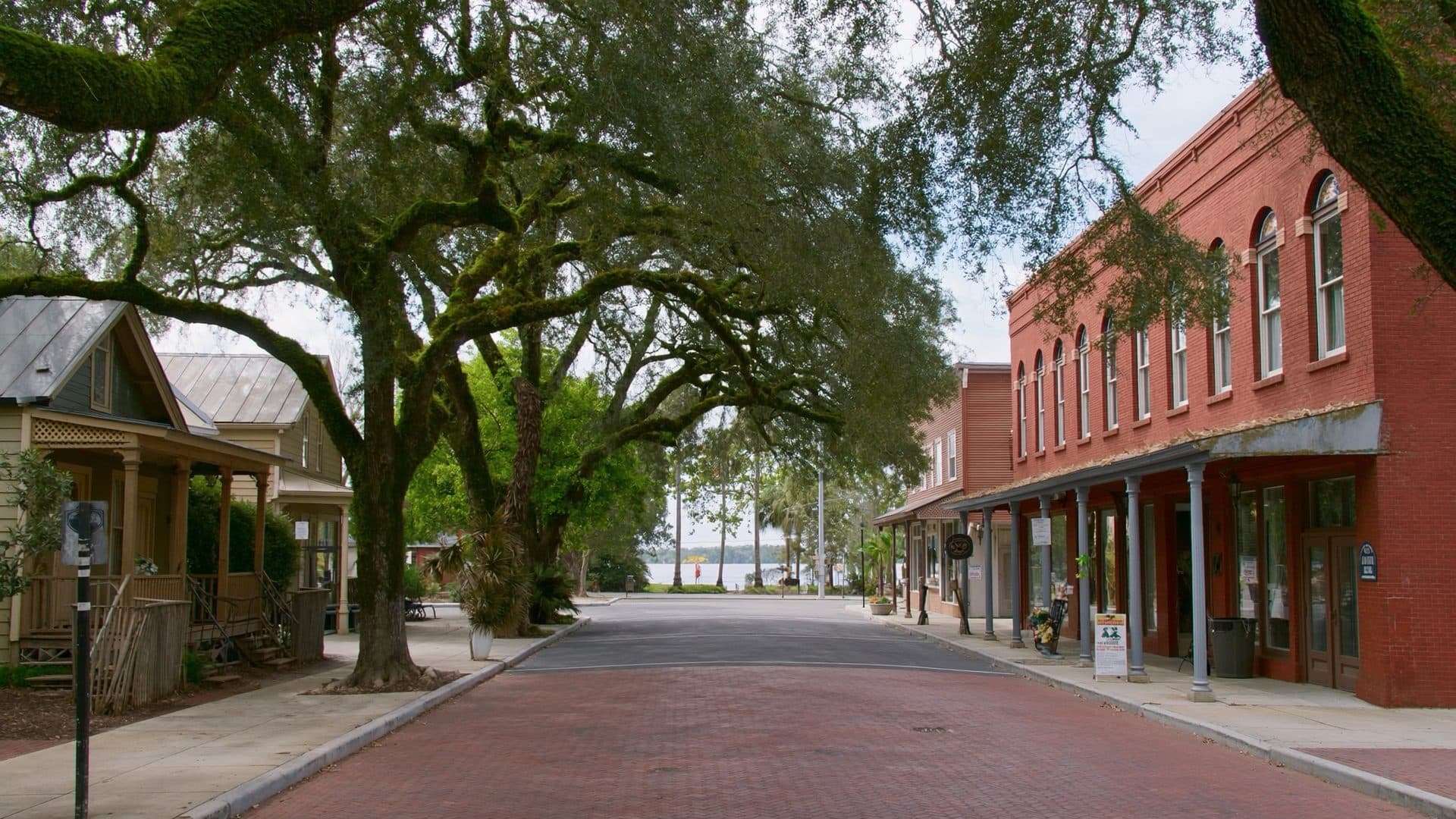
Seminole County · About 10 minutes northeast
The same licensed owner you deal with is the one who shows up. We cover Sanford from our Lake Mary base.
Ready 2 Inspect serves Sanford, Seminole County, from our base in Lake Mary (about 10 minutes northeast). John Foutz is a Florida licensed mold assessor and remediator, and the same person who answers your call is the one who comes out to help.
What we do in Sanford
Mold remediation in Sanford
A licensed assessor confirms what you are dealing with and where the water is coming from.
Containment sheeting and negative air keep spores from spreading to the rest of the house while we work.
Affected drywall, baseboard, and materials come out and are disposed of properly, not painted over.
The leak or humidity source gets fixed, because the mold comes back if it does not.
Post-remediation verification confirms the job is done, then we rebuild what came out.
Where a formal assessment and written protocol are involved, Florida law (section 468.8419) keeps that assessment, and the check against it, independent of the company doing the removal. How mold remediation works.
Sanford at a glance
Local knowledge
Sanford sits on the south shore of Lake Monroe, and the lake is connected to the St. Johns River, so after a big storm it stays high for as long as the river does. Away from the lake the water behaves differently. The county's floodplain plan says the vast majority of the city's other lakes are closed basins with no outlet, which rise faster than they drain. The oldest homes, just south of downtown, add a third path: most are wood frame, raised on brick or block piers, and water that gets under the floor can feed mold where nobody sees it.
The lake's record is recent. After Hurricane Ian in 2022 the St. Johns River gauge near Sanford crested at 8.96 feet, the highest of the historic crests the National Weather Service lists there, which go back to 1941, and the county's emergency managers reported the river at Sanford in flood stage for more than 56 days. Milton pushed it to 7.16 feet in 2024. Neither was the first time: after the 2004 hurricanes the county recorded lake water over the sea wall, flooding numerous structures along the south shore.
Sanford by decade
Sanford homes
Most of Sanford's homes are far newer than its historic district. Census figures put the median home at 1994, and about 42 percent of homes were built in 2000 or later, with the 2000s the busiest decade at about a quarter of all homes. Yet about one home in 18 was built before 1940, more than four times the share across Seminole County. The type of home varies as much as the age: about half are detached houses, and about three in ten are in buildings that hold five or more homes, where water from one home can reach the ceiling or wall of the next.
The oldest layer is the Sanford Residential Historic District, just south of downtown, listed on the National Register in 1989 with 434 contributing buildings from 1880 to 1933. Its nomination describes mostly two-story frame houses with wood siding on brick foundations. The City's preservation rules describe the local frame and bungalow houses as standing on brick or block piers, with the gaps between them left open for ventilation and for protection from high water. That leaves a crawl space, usually 18 to 24 inches high by the City's definition, where a leak or flood water can soak joists and subfloor without showing in the rooms above, so the moisture checks go under the house too.
Lake Monroe at Sanford
Lake Monroe
The National Weather Service's St. Johns River gauge near Sanford comes with notes on what each level means on the ground. Minor flooding begins at 5.5 feet. At 7 feet water starts over the sea wall and onto Seminole Boulevard. At 8 feet, major flood stage, flooding becomes more significant for low-lying buildings and marinas along the river, Sanford included, and at 9 feet the notes turn to the Sanford waterfront itself. The county's floodplain plan puts about a tenth of the city's land in mapped 100-year flood zones, most of its AE zone around the lake.
Lake flooding is slow in both directions. A lake tied to the river cannot fall faster than the river does, so buildings near it can stand in water, or on soaked ground, for weeks. Lake water that gets inside is handled as contaminated: wet carpet, its pad and soaked drywall are removed and not reused, and the studs and joists underneath are cleaned and dried before any wall goes back up. On a raised frame house the crawl space gets the same attention, and the drying runs until the readings under the floor say dry, not until the yard does.
Sources, checked September 2026
Nearby
The insurance question
Most companies open your house up first and hand you a bill if the claim gets denied. We do it backwards on purpose. One licensed company cleans up, rebuilds, and deals with the adjuster for you.
“Being this careful has cost us work. I am fine with that.”
Local questions
Yes. Most of the older houses there are wood frame, and many rest on brick piers above a crawl space, so a leak or flood often does its damage below the floorboards. The crawl space is the first place we check, and we take out only what has to come out. In the City's historic districts, ordinary repairs that keep the same design, material and color are allowed, but changing how the outside looks needs the City's approval first, which is one more reason to save original siding and trim.
Yes, in a different way. The county's floodplain plan counts 23 bodies of water in Sanford and says the vast majority of its lakes are closed basins with no outlet, which rise faster than they drain. Little Lake Mary and Lake Ada are both in the south of the city. The same plan records an August 2002 flash flood in which three inches of fast rain flooded streets and six homes in Sanford.
Longer than most people expect. After Ian, more than 120 homes across Seminole County stayed flooded for over 25 days, some for up to 56 days, as the St. Johns slowly dropped. Floors and framing that sit wet that long need to be opened up, cleaned and dried to a moisture reading, not just aired out, or mold has time to take hold behind the finishes.
It works in stages. The free inspection comes first, and it is visual work, not sampling: John, who holds a Florida mold assessor license, checks the rooms with a thermal imager and moisture readings. Air or surface samples for a lab are taken only if that visit shows a reason, and the lab cost is quoted to you beforehand. When a formal assessment is part of the job, Florida's mold law requires that assessment to stay independent of whoever carries out the removal.
Sanford is about ten minutes northeast of our base in Lake Mary. Call with your street, and on the phone you will hear an honest estimate of when we can be there.
Water or fire emergency, or a musty smell you cannot place. Either way, the person who answers is the person who does the work.
MRSA4802 · MRSR4767