UsuallyHow it usually goes
- The crew starts tearing out walls the day they arrive.
- A lien goes on your house from day one.
- The claim gets filed after your home is already torn open.
- If the insurer denies it, you are left with the damage and the bill.
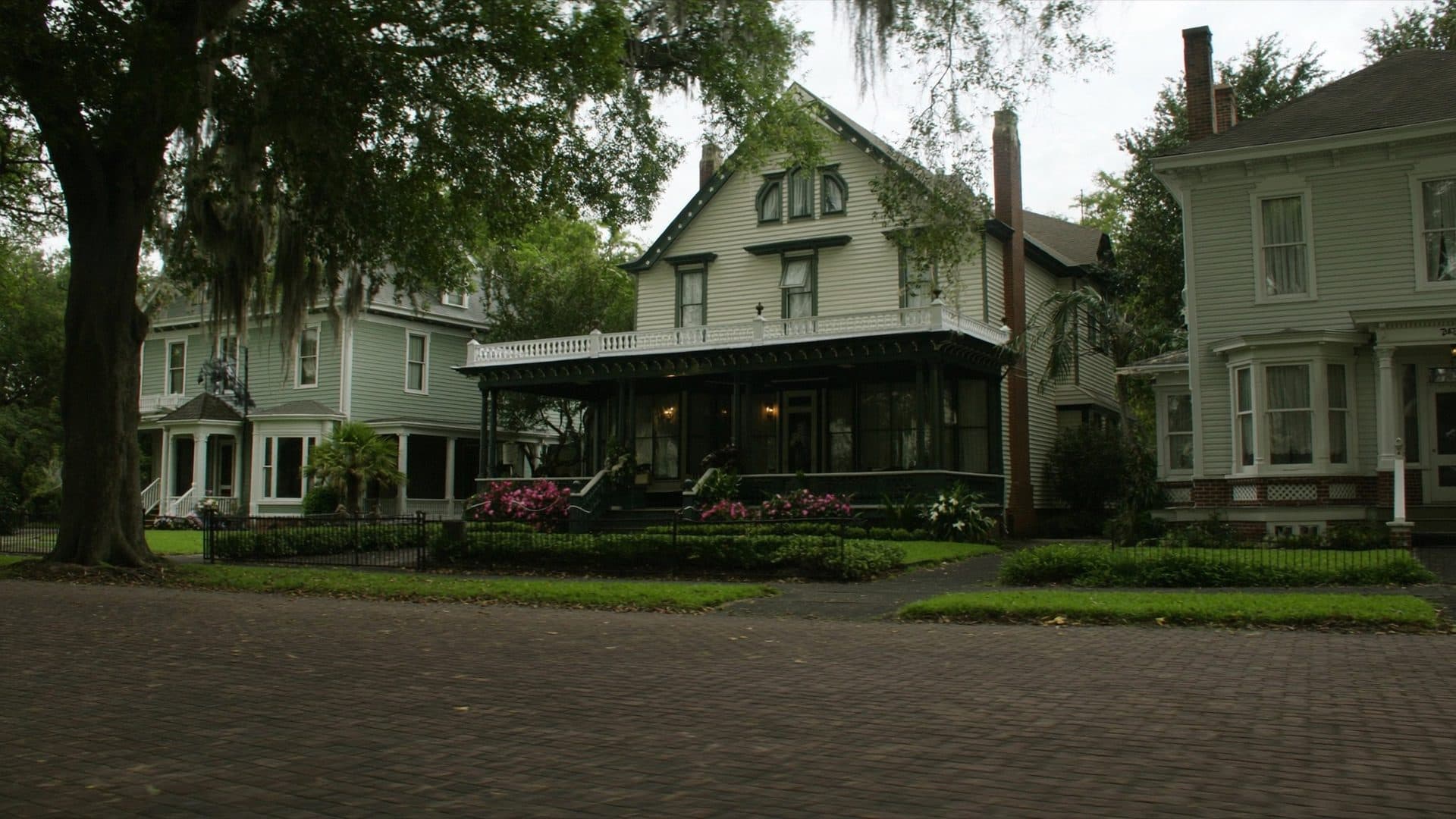
Volusia County · About 30 minutes north
The same licensed owner you deal with is the one who shows up. We cover DeLand from our Lake Mary base.
Ready 2 Inspect serves DeLand, Volusia County, from our base in Lake Mary (about 30 minutes north). John Foutz is a Florida licensed mold assessor and remediator, and the same person who answers your call is the one who comes out to help.
What we do in DeLand
Mold remediation in DeLand
A licensed assessor confirms what you are dealing with and where the water is coming from.
Containment sheeting and negative air keep spores from spreading to the rest of the house while we work.
Affected drywall, baseboard, and materials come out and are disposed of properly, not painted over.
The leak or humidity source gets fixed, because the mold comes back if it does not.
Post-remediation verification confirms the job is done, then we rebuild what came out.
Where a formal assessment and written protocol are involved, Florida law (section 468.8419) keeps that assessment, and the check against it, independent of the company doing the removal. How mold remediation works.
DeLand at a glance
Local knowledge
DeLand does not sit on the river. The St. Johns runs to the west, outside the city limits, and on the City's own flood map its flood plain stays southwest of Fatio Road. The flood zones in and around town are scattered pockets around small lakes and low ground, the largest on the east side, around and beyond Kepler Road. So when streets inside the city flood, it is rain collecting in those low spots rather than the river coming over its bank. In the historic core, much of it pier-and-beam over a crawl space, a leak can run under the floor out of sight.
The river keeps its own record. The Weather Service gauge near DeLand, which sits across the river in Lake County, counts 5.3 feet as major flood stage. Ian pushed it to a record 6.33 feet in October 2022, and Milton to 5.49 feet two years later. Milton's rain also flooded the city itself: Spectrum News 13 reported the City saying 14 people were rescued from their homes, with water waist-deep or higher in some areas.
DeLand by era
Old and new
DeLand is known for its old core, but the Census count tells a two-part story. The median home was built in 1996, and nearly half of all homes went up in 2000 or later, with the 2010s the busiest decade at about one in five. At the other end, about one home in ten predates 1950 and about one in fifteen was built before 1940, roughly three times the share for Volusia County as a whole.
That spread changes the job. In a home built since 2000, water from a leak or a storm usually shows up in drywall, baseboards and flooring, where moisture readings and thermal imaging can trace it. In an older frame house over a crawl space, the same water can drop through the floor and sit on the framing below, so we check underneath before deciding what has to come out. About a quarter of DeLand's homes are in buildings of two or more units, where a leak can also reach the unit next door.
Historic DeLand
Historic districts
The City lists three historic districts on the National Register: downtown, listed in 1987, whose style it records as masonry vernacular; the Stetson University campus, listed in 1991; and the Northwest Historic District, listed in 1992, in frame vernacular, neoclassical and bungalow styles. Much of that older housing is wood frame raised on piers, with a crawl space underneath instead of a slab. A slow leak there can soak the subfloor and joists for a long time before a stain or a musty smell reaches the room.
The City also has a rule for properties it has designated itself. On a property in a City-designated historic district, or one designated on its own, any material change to the outside of the building needs a Certificate of Appropriateness. That matters when water damage reaches siding, trim, windows or a porch. Drying the framing and taking out what is wet or growing mold mostly happens inside and underneath, and we remove what has to come out and no more. If a repair would change the exterior, check with the City's historic preservation staff first.
Sources, checked September 2026
Nearby
The insurance question
Most companies open your house up first and hand you a bill if the claim gets denied. We do it backwards on purpose. One licensed company cleans up, rebuilds, and deals with the adjuster for you.
“Being this careful has cost us work. I am fine with that.”
Local questions
The river itself stays outside the city. It runs west of town. The Weather Service gauge near DeLand sits across it in Lake County, and its flood impact notes describe Hontoon Island and the marinas. Inside the city, flooding comes from heavy rain collecting in low ground. In Milton, Spectrum News 13 reported the City saying some areas had water waist-deep or higher.
Many of the older ones do. The historic core is largely pier-and-beam over a crawl space rather than slab, which means a leak can run under the floor for a long time before anything shows in the room. It is one of the first places we look here.
Yes. Finding the moisture, drying the structure and removing wet or moldy material happen mostly inside and underneath. The City's rule is about the outside: in a City-designated historic district, or on an individually designated property, any material change to the exterior needs a Certificate of Appropriateness first. If siding, trim or windows have to be replaced, check with the City's historic preservation staff before that part goes ahead.
It is handled as contaminated water. During Milton the City warned residents to stay out of flood waters because they could carry sewage and other harmful substances. Anything porous that outside water reached, such as carpet, pad and drywall, is taken out and replaced rather than dried and kept, and the framing behind it is cleaned and dried, with moisture readings, before the room is put back together.
Start with the free inspection. A licensed mold assessor walks the house, takes moisture readings and scans walls, ceilings and floors with a thermal camera to find where water is hiding. If that points to a need for lab work, air or surface samples are taken, and you get a separate quote for them before any sampling happens. When the job calls for a formal mold assessment, Florida law requires the assessor to be independent of whoever does the removal.
DeLand is about thirty minutes north of our Lake Mary base. Call us and we will give you an honest time for your address.
Water or fire emergency, or a musty smell you cannot place. Either way, the person who answers is the person who does the work.
MRSA4802 · MRSR4767