UsuallyHow it usually goes
- The crew starts tearing out walls the day they arrive.
- A lien goes on your house from day one.
- The claim gets filed after your home is already torn open.
- If the insurer denies it, you are left with the damage and the bill.
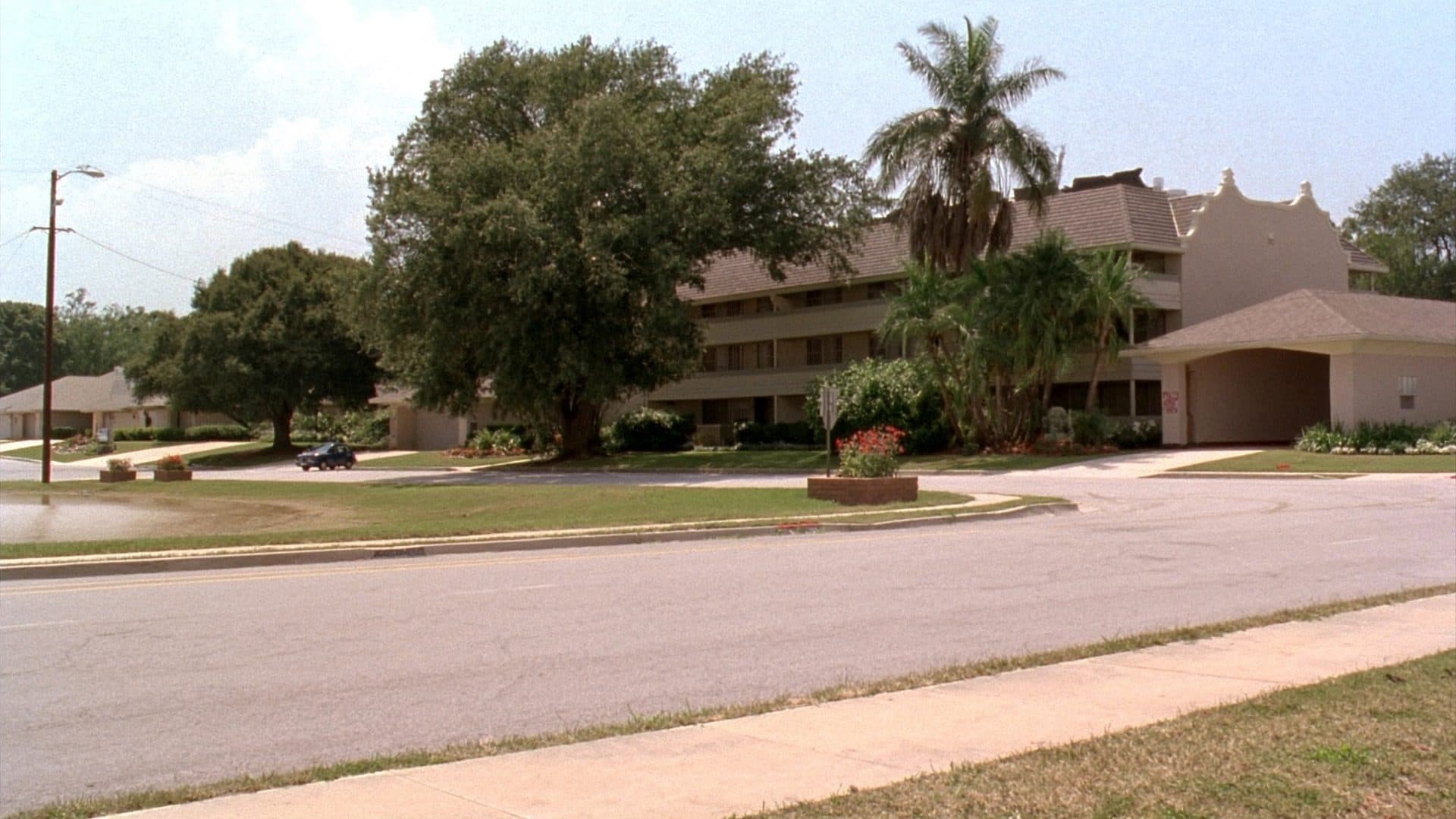
Seminole County · About 15 minutes southwest
The same licensed owner you deal with is the one who shows up. We cover Altamonte Springs from our Lake Mary base.
Ready 2 Inspect serves Altamonte Springs, Seminole County, from our base in Lake Mary (about 15 minutes southwest). John Foutz is a Florida licensed mold assessor and remediator, and the same person who answers your call is the one who comes out to help.
What we do in Altamonte Springs
Mold remediation in Altamonte Springs
A licensed assessor confirms what you are dealing with and where the water is coming from.
Containment sheeting and negative air keep spores from spreading to the rest of the house while we work.
Affected drywall, baseboard, and materials come out and are disposed of properly, not painted over.
The leak or humidity source gets fixed, because the mold comes back if it does not.
Post-remediation verification confirms the job is done, then we rebuild what came out.
Where a formal assessment and written protocol are involved, Florida law (section 468.8419) keeps that assessment, and the check against it, independent of the company doing the removal. How mold remediation works.
Altamonte Springs at a glance
Local knowledge
In Altamonte Springs the water story has two parts: the buildings and the river. Only about one home in four here is a detached house. The rest are condos, apartments and townhomes, a lot of them from the 1970s and 1980s, and in those buildings a leak rarely stays where it started. Shared walls, stacked units and older plumbing carry water from one home into the next one or the one below. The flood risk covers less ground. The City's own plan puts most of Altamonte Springs above the 100-year flood plain and finds its flood plains mostly along the Little Wekiva River and around the lakes.
Along the river, the record is recent. The National Weather Service gauge on the Little Wekiva, at the city's northern edge, crested at 31.09 feet in Hurricane Ian, the highest on record there and more than a foot and a half above major flood stage. A Weather Service survey confirmed water entering several homes in the Spring Oaks subdivision. Two years later, Milton took the same gauge to 30.07 feet, past major flood stage again.
Altamonte Springs housing
Altamonte homes
The median home in Altamonte Springs was built in 1983, and about three in five went up in the 1970s and 1980s. Only about one in four is a detached house, the lowest share of any Census place in Seminole County. About half of all homes are in buildings of five or more units, and another one in ten is an attached house such as a townhome. The city also fits about 2,500 homes into each square mile of land, more than Longwood, Casselberry, Maitland or Winter Park. The City's plan puts its high-density apartments and condos in the activity centers; between Montgomery Road and State Road 434 and along Wymore Road, condos and apartments sit among single-family streets.
In buildings like these, one leak can become several households' problem. A failed supply line, water heater or air conditioner drain in an upstairs unit can run down inside the wall to the unit below, and water behind a shared wall can soak the neighbor's drywall before it shows on yours. So the moisture readings have to go past your own walls, into the ceiling below and the wall you share, and wet material comes out on both sides, or mold can grow behind a wall nobody dried. That takes coordination between owners and the association, and containment that keeps one unit's cleanup out of the next.
Altamonte Springs river and lakes
The Little Wekiva
The Little Wekiva flows north through Lake Lotus and Trout Lake and, at the city limits, on into an arm of the Wekiva Swamp. The City's plan ties its faster flows, erosion and flooding to heavy development along its banks, much of it built before today's stormwater rules. The Weather Service gauge counts 29.5 feet as major flood stage, the level where it expects major flooding in the Spring Oaks neighborhood and water in some homes. At 29 feet it lists water covering roads and entering low-lying homes near the river between State Roads 434 and 436. Ian's record 31.09 feet came with 12.32 inches of rain at a volunteer station 1.4 miles southeast of central Altamonte Springs.
Across most of the city the plan describes sandy, well-drained soil, and some of the city's 16 lakes have their own flood controls: the Cranes Roost pump station, built in the mid-1970s, draws that basin down when heavy rain is expected, and three drainage wells protect homes and multi-family complexes around Lake Orienta. Where flood water does get in from outside, it is treated as contaminated: carpet, pad and any drywall it soaked into are removed, not dried in place, and the wall behind them is dried and checked before anything goes back. The City keeps copies of existing elevation certificates for properties inside its limits, free to look up at Altamonte.org/Flood.
Sources, checked September 2026
Nearby
The insurance question
Most companies open your house up first and hand you a bill if the claim gets denied. We do it backwards on purpose. One licensed company cleans up, rebuilds, and deals with the adjuster for you.
“Being this careful has cost us work. I am fine with that.”
Local questions
Yes. About three homes in four here share a wall, a floor or a ceiling with a neighbor. Those jobs need containment between units and coordination with the neighbors and the association, and we handle both.
Shut off the water if you can reach the source, and tell the upstairs owner and the association, because the water may have wet more than one unit. Then have the moisture traced. We take readings in your ceiling, the walls around it and, with access, the unit above, so wet drywall and insulation come out wherever they are, not only where the stain is.
Most of it does not. The City's plan puts most of its land outside the areas expected to flood in a 100-year or even a 500-year storm, with the flood plains along the Little Wekiva River and the lakes. The river is the exception: in Hurricane Ian it set a record at the river gauge on the city's northern edge and water entered homes in the Spring Oaks subdivision. You can check whether the City has an elevation certificate for your property at Altamonte.org/Flood.
It is worth it if anything has changed since: a musty closet, paint bubbling low on a wall, or flooring that has cupped. River water that got into a wall cavity can stay damp inside the wall after the paint looks dry, and that is where mold starts. Moisture readings during a free inspection show whether anything is still holding water.
Yes, in steps. First comes the free inspection, where a licensed mold assessor checks the rooms you are worried about, measures moisture in the walls and ceilings, and scans them with a thermal camera. That visit is not a lab test. If the findings call for sampling, air or surface samples are sent to a laboratory, and you get a separate price for that first. On a job that needs a formal mold assessment, Florida law requires the assessor to be independent of the company doing the remediation.
Altamonte Springs is about fifteen minutes southwest of our Lake Mary base. When you call, you will get an honest time for your address.
Water or fire emergency, or a musty smell you cannot place. Either way, the person who answers is the person who does the work.
MRSA4802 · MRSR4767