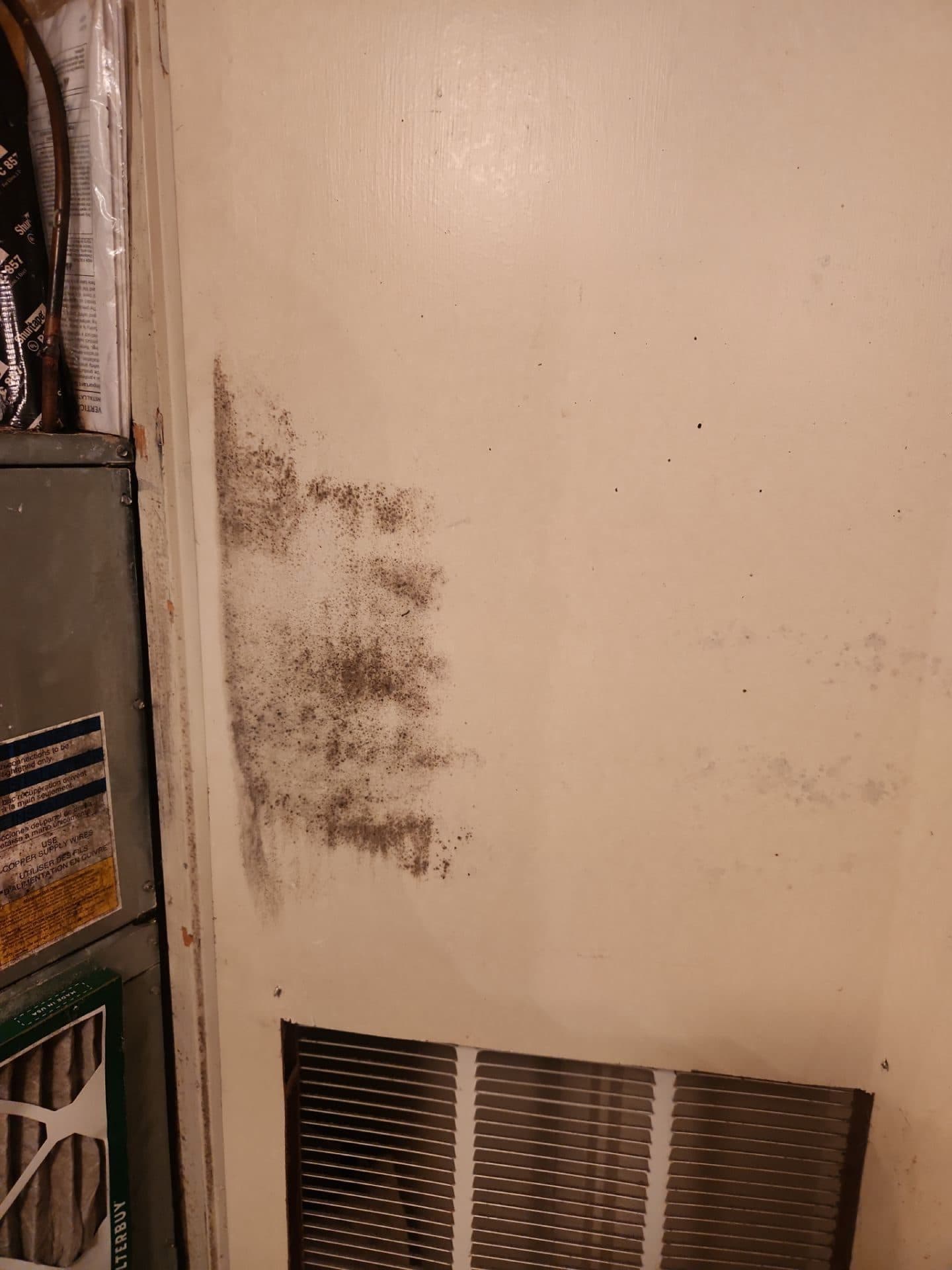
People exposed to mold commonly report fatigue, headaches, sinus congestion, coughing, itchy eyes, skin irritation, and trouble concentrating. Reactions vary widely between people in the same house. These symptoms have many other causes, so the reliable step is to have the property inspected for moisture and growth rather than to diagnose from symptoms.
Why the same house affects two people differently
Not everyone reacts to mold the same way. Whether somebody notices anything at all, and how badly, depends on what is growing, how much of it there is, how long they have been around it, and their own health. Two people living in the same rooms can report completely different symptoms, or one of them can report none.
That is worth knowing before you talk yourself out of it because nobody else in the house feels it. It is also why symptoms on their own are a poor way to work out whether you have a mold problem. What varies between people is the reaction. What does not vary is whether the building is wet.
- The type of mold present
- How much there is, and how long the exposure has gone on
- The person's overall health
- Existing allergies or asthma
- The strength of their immune system
The symptoms people report
These range from mild and easy to write off to persistent enough to disrupt normal life. Grouped below the way homeowners tend to describe them rather than by any clinical category.
Energy and concentration
- Persistent fatigue and low energy
- Brain fog, trouble concentrating, memory lapses
- Frequent headaches or migraines
Breathing and sinuses
- Chronic congestion, sinus pressure, recurring sinus infections
- Sneezing, coughing, wheezing, shortness of breath, worsening asthma
- Sore throat, hoarseness, post nasal drip
Eyes and skin
- Itchy, watery, or irritated eyes
- Skin irritation, itching, or rashes with no obvious cause
Body, joints and balance
- Muscle aches, joint pain, general body discomfort
- Dizziness, lightheadedness, or balance problems
Digestion and sleep
- Nausea, stomach discomfort, bloating, or diarrhea
- Trouble sleeping, or waking up already exhausted
Mood and sensitivity
- Mood changes, anxiety, irritability, or low mood
- New sensitivity to odors, chemicals, perfumes, or other irritants
These symptoms have plenty of other causes
Having one or several of the things above does not mean there is mold in your home. Fatigue, headaches, and sinus trouble are also caused by seasonal allergies, ordinary illness, stress, other things in the environment, and health conditions that have nothing to do with your house. Mold is one possible explanation out of many, and only a qualified medical professional can diagnose a health condition.
What changes the picture is the building. If symptoms are ongoing and unexplained and any of the following is also true of the property, it is worth having it looked at properly:
- The property has flooded or had water damage
- There has been a plumbing leak, a roof leak, or a slow hidden leak
- There is a musty or damp smell in certain rooms
- There is visible growth on walls, ceilings, or other surfaces
An inspection is the reliable way to settle whether mold is actually present, where it is, and what if anything needs doing about it. That is a question about the house, and it has a definite answer.
What we can do about it
If you think mold might be behind how you have been feeling, the useful next step is to find out whether it is there at all. The inspection is free and there is nothing to buy if we do not find anything.
A mold inspection
A thorough look for visible and hidden growth throughout the property, with no obligation and nothing to sell you at the end of it if there is nothing there.
Moisture and leak investigation
Moisture meters and thermal imaging to find where water is actually getting in, which is the thing that has to be fixed either way.
Indoor air quality assessment
Air and surface sampling where it is warranted. Testing and lab work are quoted separately and never added without your say so.
Remediation, if it is needed
Contained, removed at the source, and the moisture corrected, by a Florida licensed remediator rather than a coating sprayed over the top.
Someone to talk it through with
From the first call to the final walkthrough you are dealing with the owner, not a call center and not a different subcontractor each week.
Think mold might be affecting your health?
Call or text and describe what you are dealing with. If it sounds like a moisture problem we will come and look, and if it does not we will tell you that instead of booking you in.